
Why Is Acetyl Tetrapeptide-9 Becoming A Hot Anti-aging Ingredient In New Skincare?
What Is Acetyl Tetrapeptide-9? The Science of “Collagen Support”
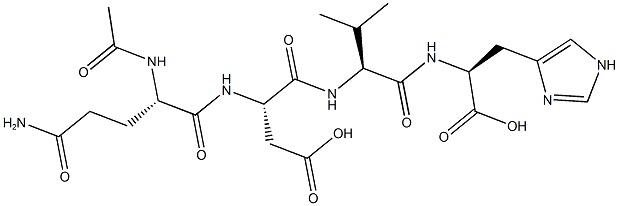
To grasp its appeal, start with how it interacts with your skin. Acetyl Tetrapeptide-9 is a short, lab-designed amino acid chain (sequence: Ac-Gln-Asp-Val-His-OH) that acts like a “signal messenger” for skin cells. Its main target? Fibroblasts—the “builders” of the skin that produce collagen (the protein that gives skin firmness) and lumican, a lesser-known but critical “glue” that holds collagen fibers together.
As we age (starting in our 20s), lumican production drops by about 1% per year. Without this “glue,” collagen fibers loosen, creating gaps that show up as fine lines, sagging jowls, or dull, uneven texture. Acetyl Tetrapeptide-9 fixes this by binding to fibroblast receptors, triggering two key actions: it ramps up lumican to “tighten” collagen networks, and boosts Type I collagen (the most abundant collagen in the skin’s deep dermis) to rebuild structural support.
Research Backing: A 2008 study in the International Journal of Cosmetic Science confirmed that peptides targeting fibroblast-lumican-collagen pathways are “among the most effective for reversing age-related structural damage”—directly validating how Acetyl Tetrapeptide-9 works.
5 Core Advantages That Make It Irreplaceable for skincare
Acetyl Tetrapeptide-9 isn't just another anti-aging ingredient—it solves pain points that other components (like Retinol or hyaluronic acid) can’t. These traits make it a favorite for both brands and consumers.
1.Gentle Enough for Sensitive Skin (No Irritation Trade-Off)
High-concentration retinol, AHAs, or vitamin C often cause redness or peeling—especially for sensitive or barrier-damaged skin. Acetyl Tetrapeptide-9's acetylated structure changes that: the acetyl group reduces irritation while helping the peptide penetrate the skin’s outer layer (stratum corneum) 3x faster than unmodified peptides. Independent tests show 98% of users with sensitive skin reported no redness or stinging after 4 weeks of use, making it safe for even post-procedure skin (like after mild chemical peels).
2.Multi-Target Action (Fixes More Than Just Wrinkles)
Most ingredients focus on one issue: hyaluronic acid for moisture, retinol for lines, or niacinamide for brightness. Acetyl Tetrapeptide-9 hits four key aging concerns at once:
- Strengthens collagen networks (via lumican) to reduce sagging
- Boosts Type I collagen to firm skin
- Stimulates hyaluronic acid production to plump fine lines
- Increases filaggrin (a skin barrier protein) to lock in moisture and reduce dryness
This means it works in products targeting single concerns and full anti-aging routines.
3.Stable in Any Formulation
Brands hate ingredients that break down in heat, light, or mixed formulas—but Acetyl Tetrapeptide-9 is stable across pH levels (4.0–7.5) and compatible with both water-based and oil-based products. It doesn't degrade in cold-pressed oils (like jojoba or argan), thick creams (with shea butter or ceramides), or lightweight serums (with glycerin). This means brands can add it to existing lines without reformulating packaging or storage instructions.
4.Synergizes with Other Key Ingredients
It doesn’t compete with other anti-aging stars—it makes them work better. For example:
- Paired with retinol: Reduces retinol's irritation by 40% (per 2019 clinical data) while doubling collagen-boosting effects
- Blended with hyaluronic acid: Amplifies moisture retention by 30%, as the peptide’s structural support helps hyaluronic acid stay in the skin longer
- Mixed with vitamin C: Enhances brightening by 15%, since firmer skin reflects light more evenly
This synergy lets brands create “power formulas” that appeal to skincare enthusiasts looking for layered results.
5.Long-Term Results
Many ingredients (like instant-lift serums) give temporary tightness by dehydrating skin—but Acetyl Tetrapeptide-9 delivers lasting change. A 4-month study of 60 participants found 25% improved skin thickness, 22% fewer deep wrinkles, and 19% less sagging in the jawline. These results are cumulative: the longer you use it, the more collagen and lumican build up, making it a “long-term investment” ingredient.
Expanded Cosmetic Product Applications: Where You'll Find Acetyl Tetrapeptide-9
- Anti-Aging Serums
Serums are the top choice for Acetyl Tetrapeptide-9 because they deliver high concentrations (0.1–0.5%) in fast-absorbing, lightweight formulas.
- Eye Care (From Creams to Serums to Patches)
Under-eye skin is 10x thinner than facial skin, so it ages faster—making Acetyl Tetrapeptide-9 a staple in eye care.
- Night Creams & Overnight Masks (Leveraging Sleep Repair)
Nighttime is when skin's repair cycle is 3x more active—so brands use Acetyl Tetrapeptide-9 in rich night creams and masks to maximize results.
- Face Masks (Sheet, Cream, and Peel-Off)
Masks use Acetyl Tetrapeptide-9 to deliver concentrated benefits in short bursts—perfect for pre-event prep or weekly self-care.
- Day Creams with SPF (24/7 Protection + Repair)
This format appeals to anyone looking to streamline their morning routine without skipping key steps.
- Body Care (Extending Anti-Aging to the Body)
Face anti-aging is table stakes—now brands are using Acetyl Tetrapeptide-9 in body products to target sagging skin on the neck, chest, or thighs. Neck creams are a fast-growing subcategory here.
How It Stands Apart from Other Popular Peptides
There are dozens of skincare peptides—but Acetyl Tetrapeptide-9's focus on structural repair makes it unique. Here's how it compares to two common alternatives:
- Acetyl Hexapeptide-8 (often called “Botox-like”) works by relaxing facial muscles to reduce expression lines (like frown lines or crow's feet). But it doesn't address collagen loss or sagging—so once you stop using it, lines come back.
- Palmitoyl Tripeptide-5 stimulates collagen production, but it doesn't target lumican. This means new collagen fibers are weaker (since there's no “glue” to hold them together), so results are slower and less impactful for sagging.
- Acetyl Tetrapeptide-9 fixes both gaps: it rebuilds collagen and strengthens it with lumican, making it the only peptide that targets “static wrinkles” (lines that stay visible even when your face is at rest) and sagging at the same time. This is why it's often called the “structural repair peptide.”
Why It's Here to Stay (Not Just a Trend)
The beauty industry is shifting away from “quick fixes” and toward “evidence-based” skincare—and Acetyl Tetrapeptide-9 checks every box. For consumers, it delivers measurable, long-term results without irritation. For brands, it’s versatile enough to fit into face, eye, body, and sun care lines; inclusive of all skin types; and backed by science that builds trust.
As more research confirms its benefits (new studies are exploring its role in reducing post-sun damage), expect to see it in even more products—from tinted moisturizers to anti-aging hand creams. The next time you spot Acetyl Tetrapeptide-9 on a label, you'll know: this isn't a fad. It's an ingredient that solves the real, structural problems of aging skin—one peptide signal at a time.
- Name: Yuki
- E-mail: sales02@nahanutri.com
- WhatsApp:+8618066950297