Leave Your Message

Sodium Hyaluronate For Cosmetic Ingredient Sourcing And Supply Programs

Empowering Global Beauty Brands with Advanced Biopolymer Solutions, Unmatched Purity, and Resilient Supply Chains

Featured Cosmetic Ingredients

Explore our premium grade raw materials engineered for optimal formulation compatibility and superior dermal efficacy.

The Strategic Importance of Sodium Hyaluronate in Cosmetic Sourcing

In the rapidly evolving landscape of personal care and cosmetics, Sodium Hyaluronate has transcended its status as a mere moisturizing active to become a foundational biopolymer in modern skincare formulations. As the water-soluble salt form of hyaluronic acid, it boasts a smaller molecular size, granting it unparalleled stability, ease of formulation, and enhanced dermal penetration. For cosmetic chemists and procurement professionals, establishing a robust cosmetic ingredient sourcing and supply program centered around high-quality Sodium Hyaluronate is no longer optional—it is a critical imperative for market competitiveness.

The global demand for hyaluronic acid derivatives is experiencing exponential growth, driven by consumer education regarding skin barrier repair, anti-aging, and hydration science. However, sourcing this ingredient requires navigating a complex matrix of molecular weights, fermentation origins, purity grades, and endotoxin levels. A sophisticated supply program must ensure lot-to-lot consistency, stringent microbiological control, and compliance with global regulatory frameworks such as REACH, COSMOS, and FDA guidelines. By partnering with advanced bio-manufacturing facilities, brands can secure a reliable influx of this vital raw material, mitigating supply chain disruptions while elevating the clinical efficacy of their end products.

Furthermore, the shift from animal-derived extraction methods to advanced microbial fermentation (utilizing safe strains like Bacillus subtilis or Streptococcus zooepidemicus) has revolutionized the industry. This biotechnological leap not only aligns with the surging demand for vegan and cruelty-free cosmetics but also allows for the precise engineering of specific molecular weight fractions. From ultra-low molecular weight variants designed for deep tissue cellular signaling to high molecular weight polymers that form breathable, moisture-locking viscoelastic films on the stratum corneum, the versatility of Sodium Hyaluronate is unmatched. Consequently, a meticulously managed supply program empowers formulators to create multi-dimensional hydration complexes that cater to diverse dermatological needs.

About Aogebio LLC

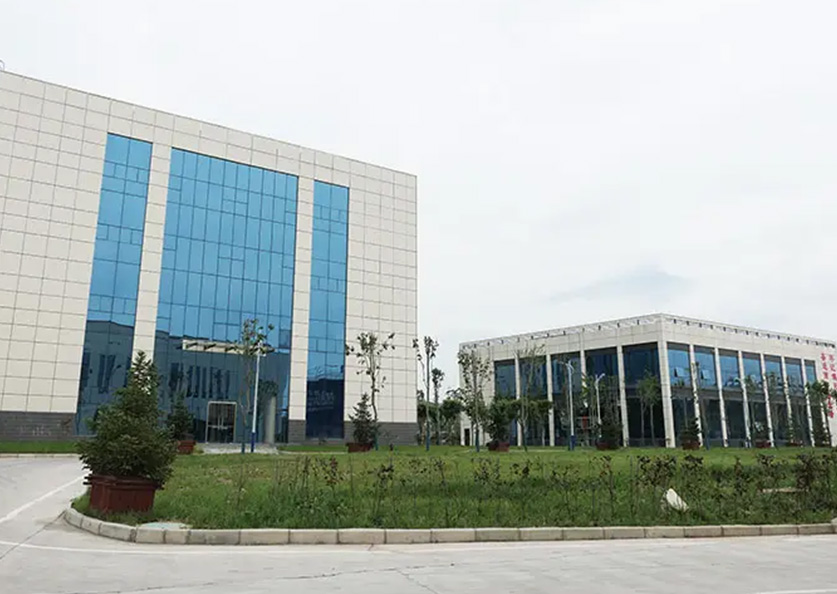
Founded in 2013 and headquartered in the prestigious high-tech zone of Xi'an, Xi'an Aoge Biotech Co., Ltd., along with its subsidiaries Xi'an Imaherb Biotech Co., Ltd. and Xi'an Nahanutri Biotech Co., Ltd., has established itself as a leading force in the cosmetics raw materials industry.

Our expansive cooperative factory, spanning 1,000 mu (approximately 165 acres), is equipped with state-of-the-art extraction technology. This advanced infrastructure allows us to manufacture a wide array of premium cosmetic raw materials, including high-grade Sodium Hyaluronate. Our product line includes natural plant extracts specifically designed for organic cosmetics, as well as synthetic ingredients for high-end skincare formulations. These raw materials serve as the foundation for a multitude of skincare, haircare, and makeup products, ensuring superior quality and efficacy throughout the entire production process.

21+ Years of Experience
50 Tons/Month Output
66667+ Factory Area (m²)
View More
cdhj-aboutus-play about Aogebio Cosmetic

Commercial & Industrial Status of HA Supply Chains

📈

Global Market Trajectory

The industrial landscape for Sodium Hyaluronate is characterized by a robust Compound Annual Growth Rate (CAGR). As the beauty sector pivots towards "skinification"—where makeup and body care integrate skincare actives—the volume requirements for cosmetic-grade HA have surged. Suppliers must scale fermentation capacities while maintaining strict environmental controls to meet this multi-tonnage global demand.

🔬

Quality Grading Dynamics

The market is strictly segmented into food, cosmetic, and pharmaceutical grades. For cosmetic ingredient sourcing programs, the focus is on high-purity cosmetic grades that guarantee low protein residue and minimal heavy metal profiles. Industrial buyers are increasingly mandating comprehensive Certificates of Analysis (COAs) validated by advanced chromatography (HPLC) to ensure raw material integrity before formulation integration.

🌍

Supply Chain Resilience

Recent global disruptions have highlighted the necessity of diversified and resilient supply chains. Forward-thinking cosmetic brands are moving away from single-source dependencies, establishing strategic supply programs with vertically integrated manufacturers. This approach ensures a stabilized pricing matrix, buffers against raw material shortages, and guarantees a continuous flow of crucial bio-actives for uninterrupted production cycles.

We Provide

An Unmatched Level of Quality and Service

Optimize your cosmetic ingredient sourcing program today. Connect with our technical team to discuss custom molecular weights, bulk supply logistics, and formulation compatibility.

Get Product Samples

Next-Generation Development Trends & Deep-Dive Applications

1. The Evolution of Molecular Weight Customization

The modern cosmetic chemistry paradigm has shifted from using a single type of Sodium Hyaluronate to employing "4D" or "5D" multi-molecular complexes. Sourcing programs must now procure a spectrum of weights. High Molecular Weight (HMW > 1.0 MDa) is essential for forming a breathable, viscoelastic, non-occlusive film on the skin's surface, instantly reducing Transepidermal Water Loss (TEWL) and protecting against environmental pollutants. Conversely, Ultra-Low Molecular Weight (Oligo-HA represents the pinnacle of current R&D. These micro-molecules penetrate the stratum corneum to reach the epidermis and dermis, stimulating endogenous HA synthesis, promoting angiogenesis, and accelerating tissue repair. A comprehensive supply program must seamlessly provide these tailored fractions to enable advanced anti-aging claims.

2. Modified and Cross-Linked Hyaluronic Acid Innovations

Beyond standard linear HA, the industrial trend is leaning heavily towards chemically modified variants to enhance specific cosmetic functions. Sodium Acetylated Hyaluronate (AcHA), characterized by its amphiphilic nature, offers superior affinity to the skin's lipid barrier, providing prolonged hydration and softening effects. Furthermore, Cross-linked Sodium Hyaluronate forms a dense, 3D micro-network that acts as a topical moisture reservoir, slowly releasing water molecules over 24 to 48 hours. Sourcing these advanced derivatives requires highly specialized supply networks capable of handling complex synthesis and rigorous post-reaction purification to ensure zero residual cross-linking agents (like BDDE) in the final cosmetic ingredient.

3. Fermentation Technology and Sustainable Sourcing

Sustainability is no longer a buzzword; it is a strict procurement criterion. The future of Sodium Hyaluronate supply lies in optimized, high-yield microbial fermentation. Innovations in bioreactor design and downstream processing (such as membrane filtration and alcohol precipitation) have drastically reduced the energy and water footprint of HA production. Suppliers integrated into modern sourcing programs are investing in green chemistry, ensuring that the carbon footprint of the raw material aligns with the eco-conscious ethos of contemporary beauty brands. This includes upcycling fermentation by-products and utilizing renewable energy sources in manufacturing facilities.

4. Formulation Synergy and Electrolyte Tolerance

From a formulator's perspective, the practical application of Sodium Hyaluronate involves overcoming specific rheological challenges. High-purity HA acts as a potent thickener, but its viscosity can be highly sensitive to shear stress, pH fluctuations, and the presence of electrolytes (salts) commonly found in other active ingredients. A premium sourcing program provides technical support and specialized HA grades that exhibit enhanced pseudo-plasticity and stability in complex emulsions, serums, and surfactant systems (such as face washes). This synergy ensures that the final cosmetic product maintains its luxurious sensory profile, stability, and efficacy throughout its shelf life.

Qualifications & Honors

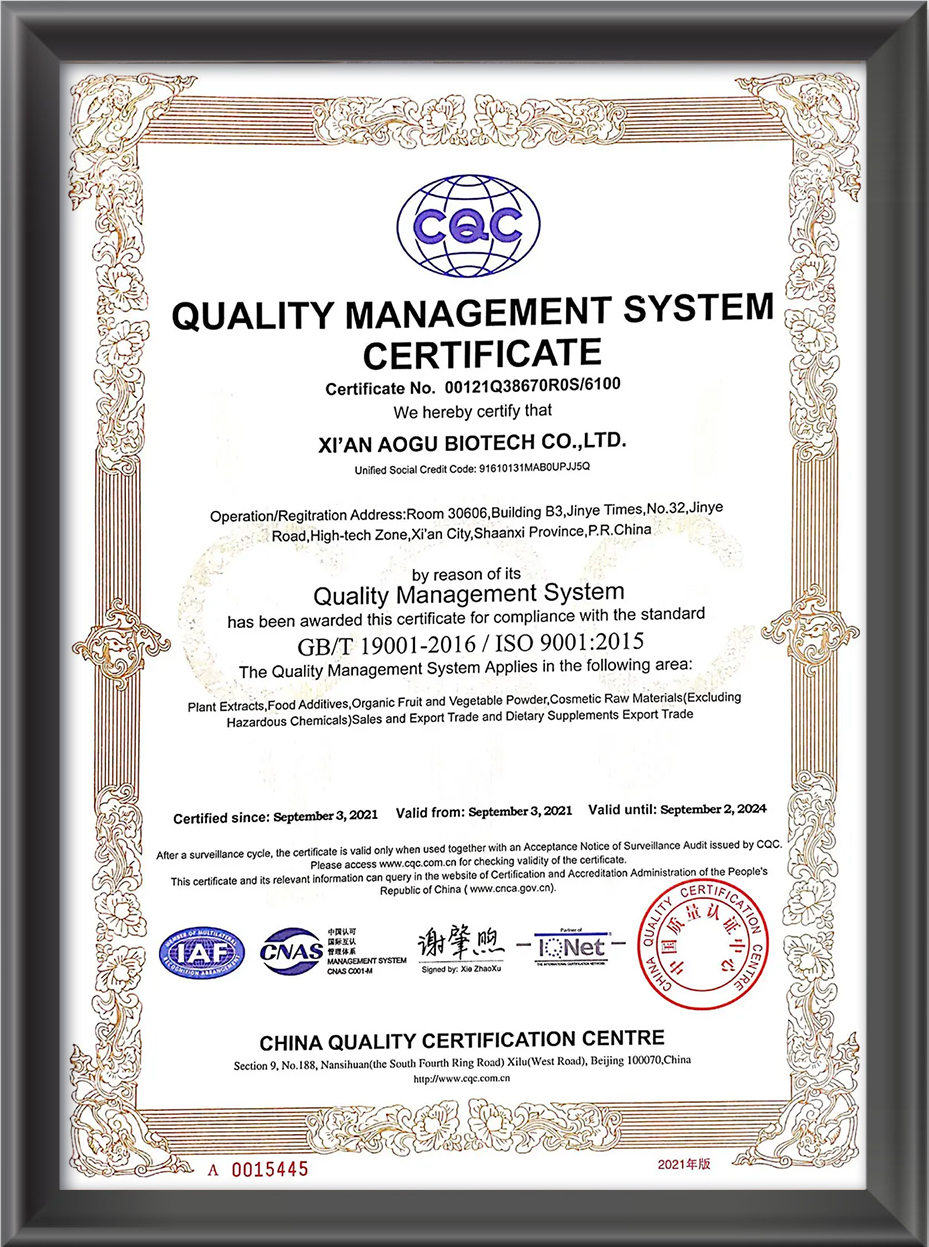
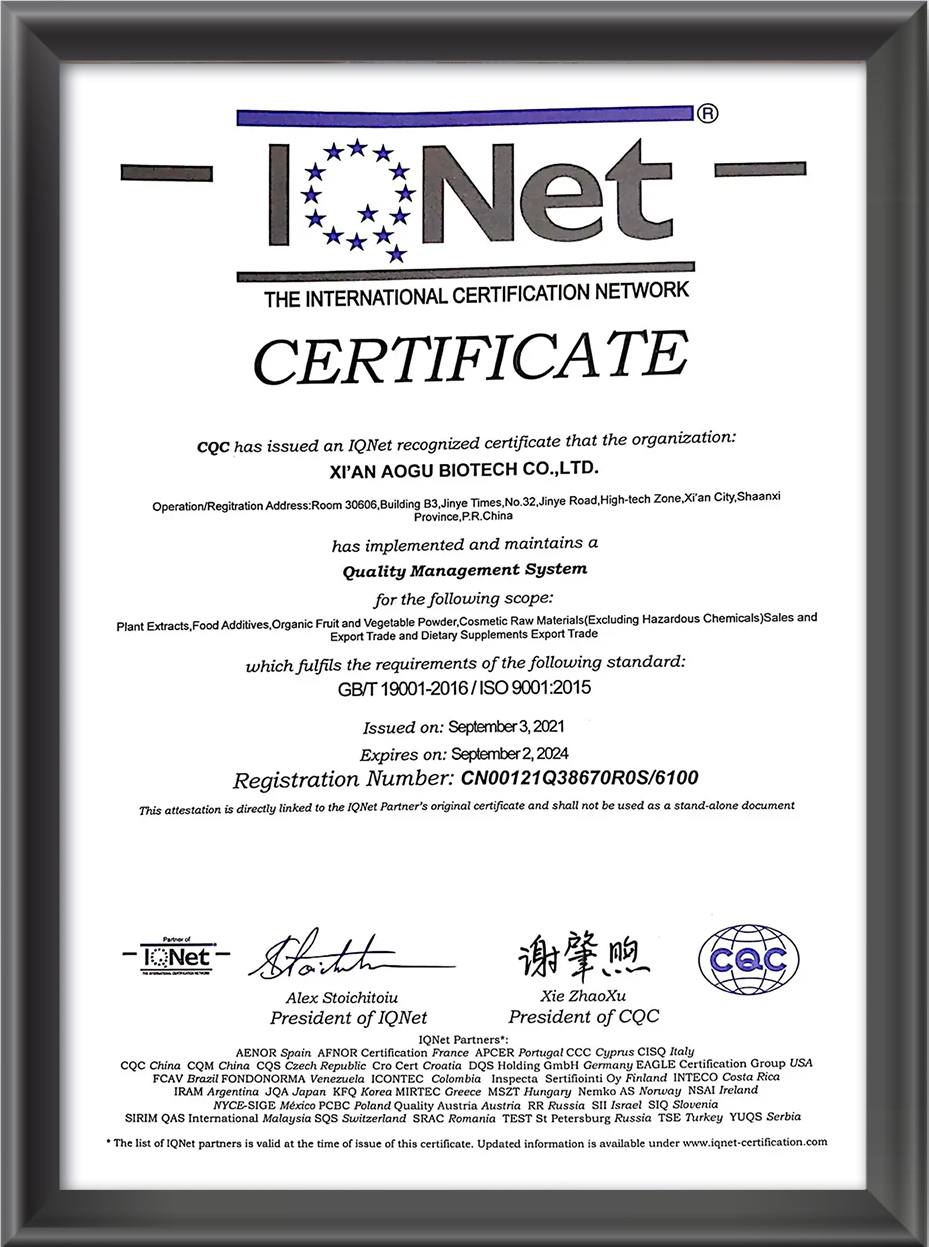
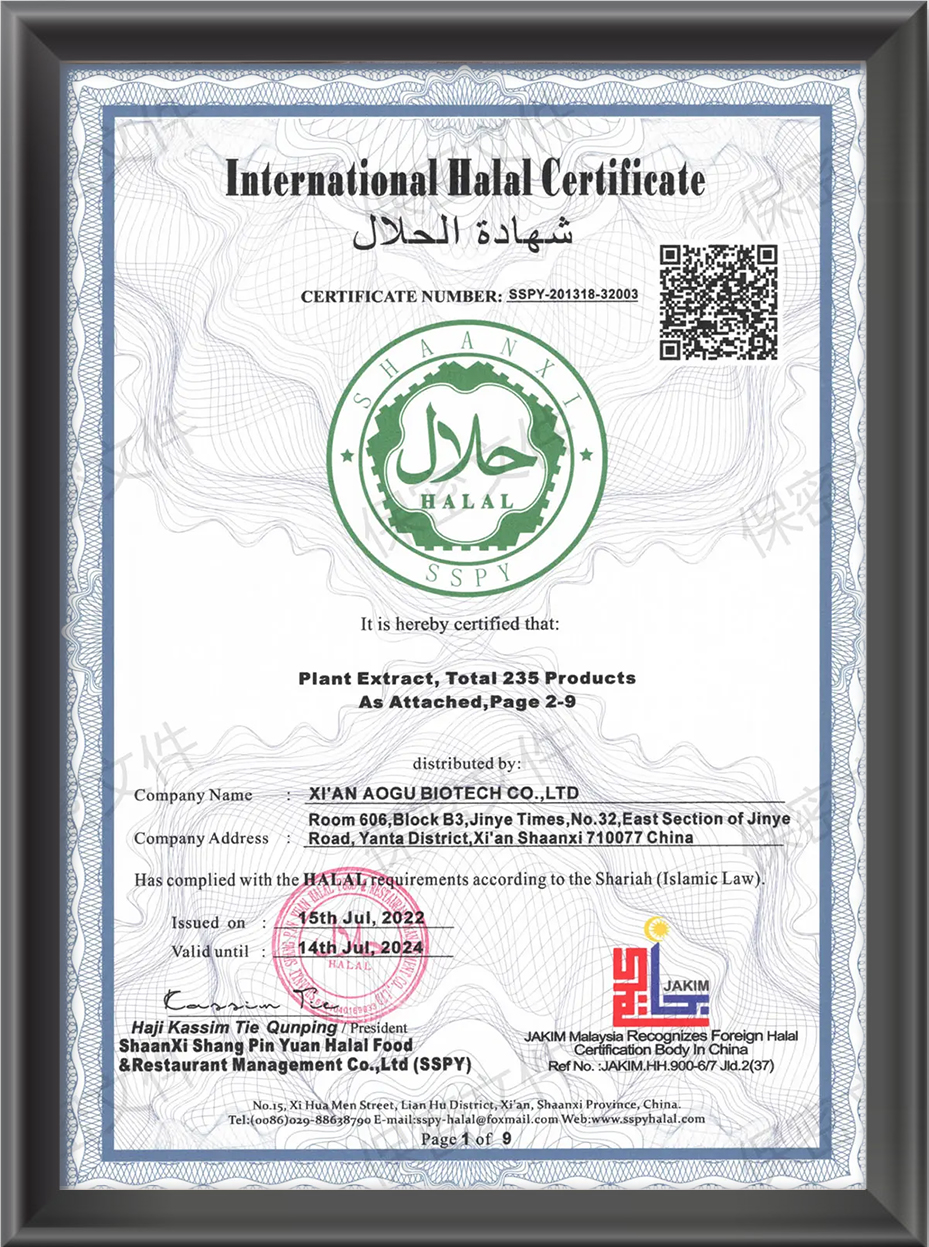
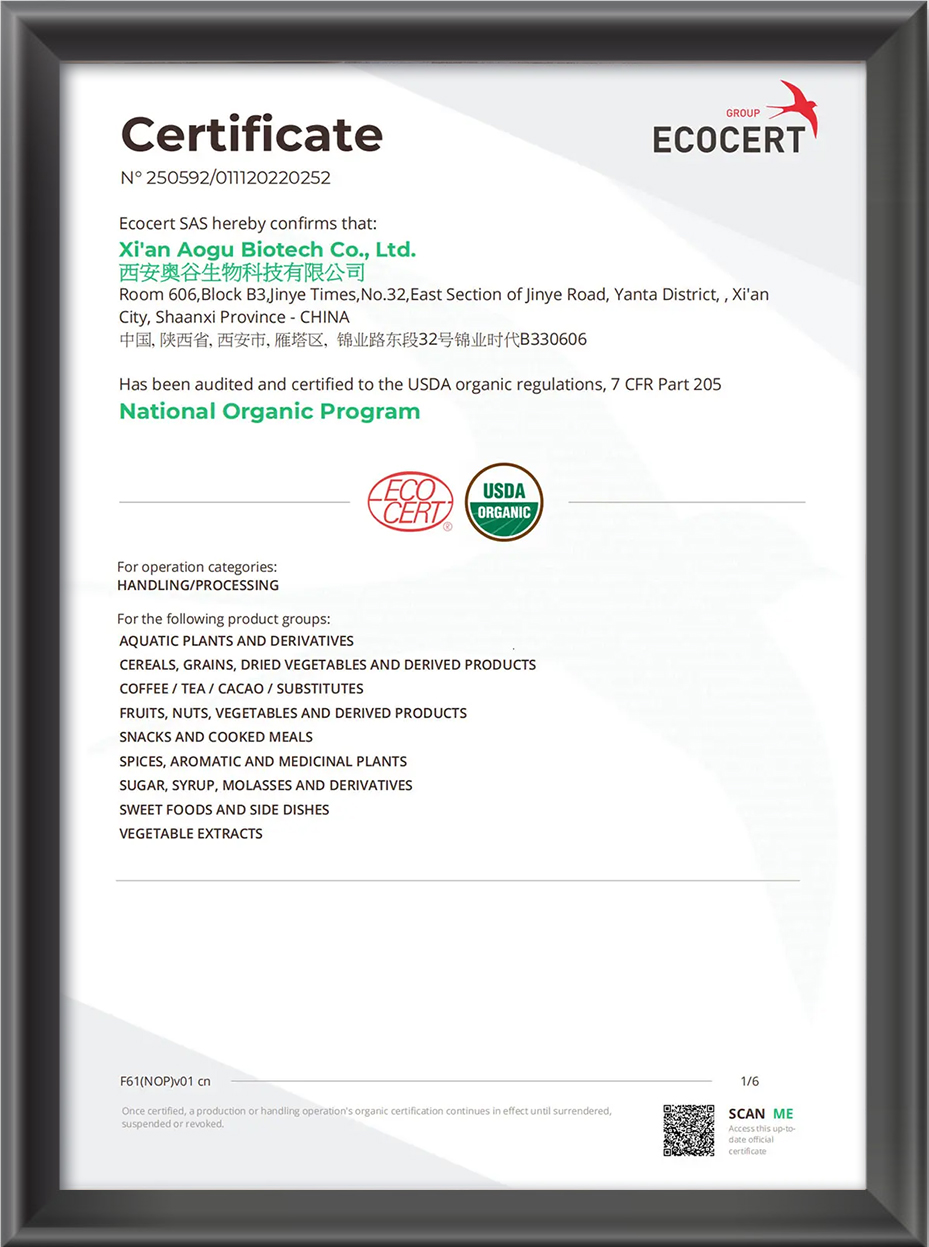
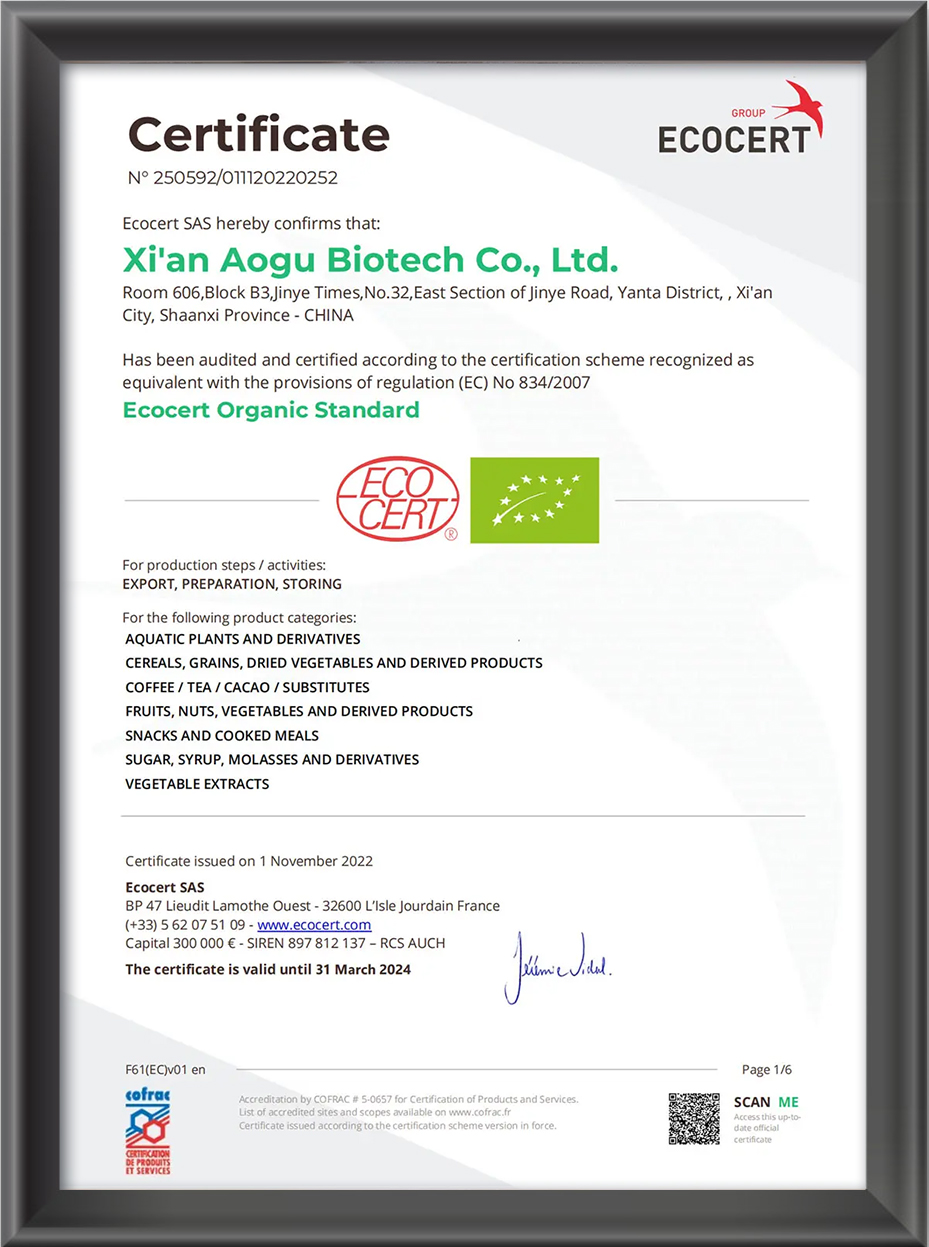
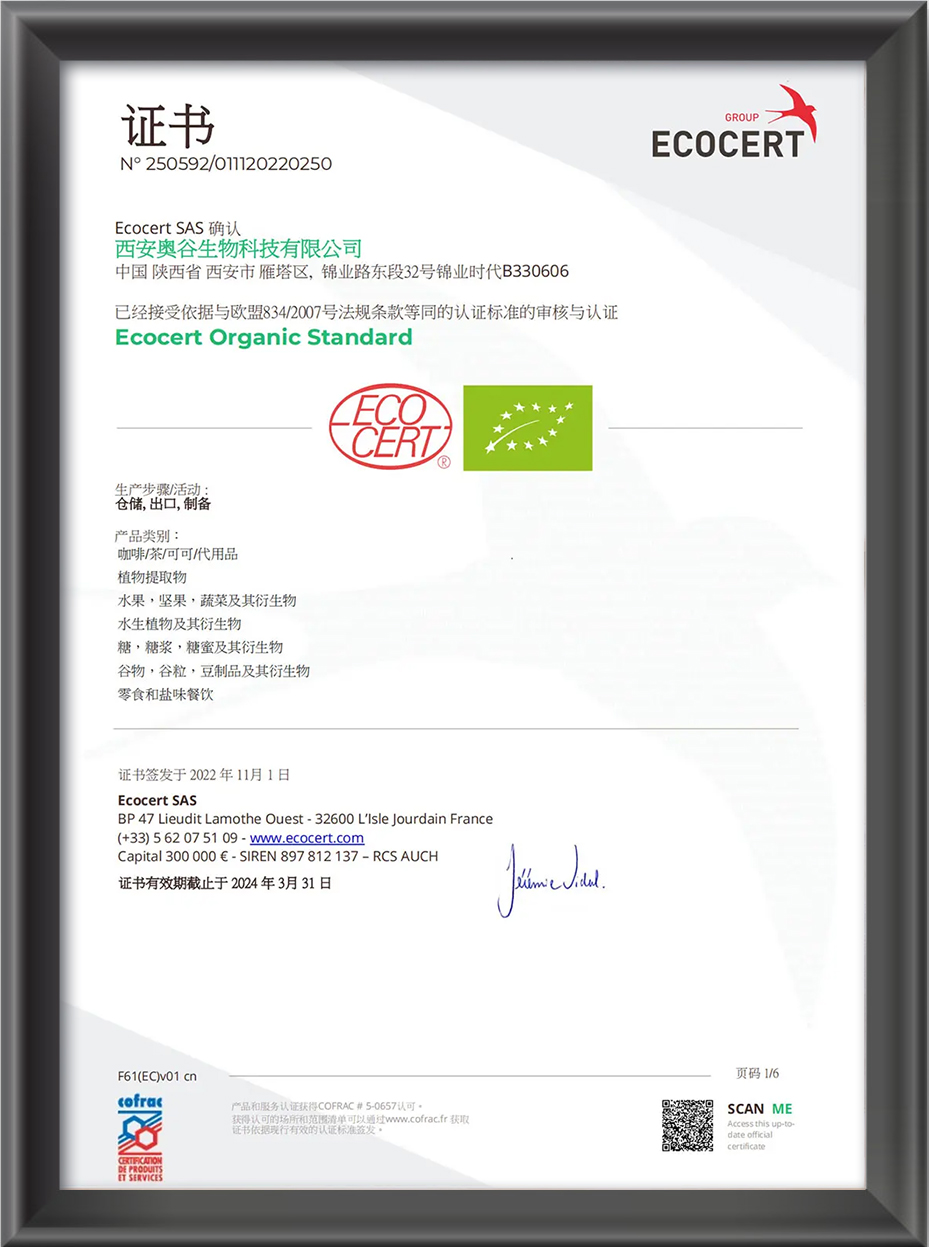
Our in-house lab uses advanced instruments like UPLC, HPLC, GC-MS, ICP-MS for quality control, ensuring raw materials meet strict international standards.

certificate1certificate2certificate3certificate4certificate5certificate6

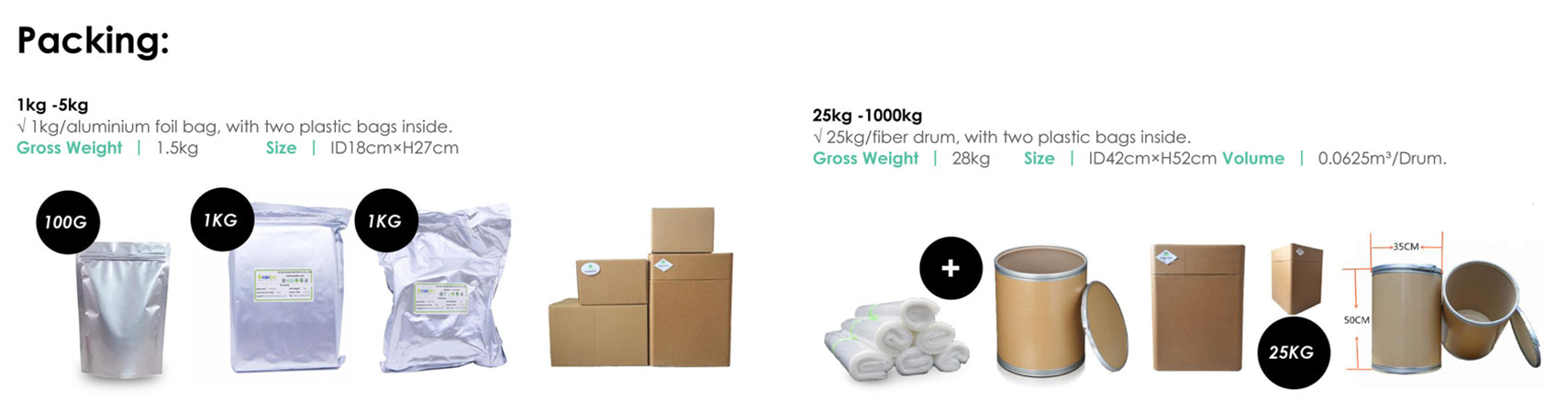
Professional Packaging Solutions

Ensuring the integrity of hygroscopic powders like Sodium Hyaluronate during global transit requires pharmaceutical-grade packaging standards.

package_03package2_03package3_031

Building a Future-Proof Cosmetic Supply Program

In conclusion, the integration of Sodium Hyaluronate into cosmetic formulations represents a convergence of biotechnology, dermatology, and advanced supply chain management. For cosmetic brands aiming to dominate the premium skincare market, a transactional approach to raw material purchasing is insufficient. Establishing a holistic Cosmetic Ingredient Sourcing And Supply Program involves rigorous supplier auditing, understanding the nuances of molecular weights, and prioritizing sustainable, high-yield fermentation processes.

By leveraging advanced analytical laboratories (equipped with UPLC, HPLC, and GC-MS) and committing to stringent quality control, suppliers can guarantee that every batch of Sodium Hyaluronate meets the demanding specifications required for high-performance cosmetics. As the industry continues to innovate with cross-linked and acetylated derivatives, maintaining a dynamic and scientifically grounded supply partnership will be the ultimate differentiator for successful global beauty brands.